
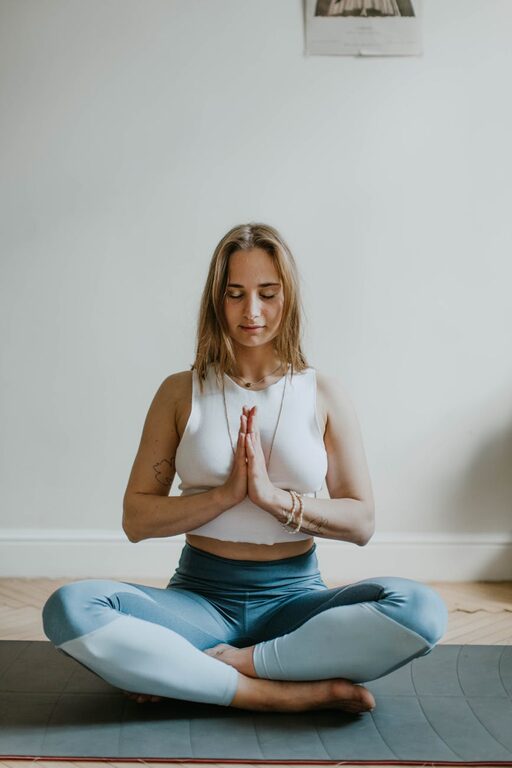
Taking mindful breathing breaks is a simple yet powerful way to bring calm and clarity into your daily routine. Whether you’re at work, at home, or on the go, pausing to focus on your breath can help reduce stress, increase focus, and support overall well-being. If you’re new to mindfulness and breathing exercises, this guide offers beginner-friendly tips to get started with mindful breathing breaks.
What Is Mindful Breathing?
Mindful breathing involves paying close attention to your breath — noticing the sensation of air entering and leaving your body without trying to change it. It’s different from other types of breathing exercises that may focus on controlling or altering your breath. Mindfulness encourages acceptance and presence, making you more aware of the current moment and less caught up in distracting thoughts.
Why Take Mindful Breathing Breaks?
Incorporating short mindful breathing breaks throughout your day can:
– Lower stress levels
– Improve concentration and mental clarity
– Promote relaxation and reduce anxiety
– Enhance emotional regulation
– Provide a quick mental reset during busy or overwhelming moments
The great thing is that mindful breathing requires no special equipment and can be done anywhere, anytime, making it accessible to everyone.
How to Start a Mindful Breathing Break: Step-by-Step
1. Choose a Comfortable Position
You don’t need to sit in a special posture. You can be seated at your desk, on a chair, standing, or even lying down. The key is to be comfortable and maintain a position that allows you to breathe freely without restriction.
2. Set a Timer (Optional)
If you’re new, start with just 1 to 3 minutes. Using a gentle timer or alarm can help you stay focused without worrying about watching the clock.
3. Focus on Your Breath
Close your eyes if you feel comfortable, or softly gaze downward. Pay attention to the feeling of your breath. Notice how the air enters through your nose, fills your lungs, and then leaves your body. There’s no need to change or control your breath — simply observe it.
4. Notice Sensations
Be curious about the physical sensations: the rise and fall of your chest or belly, the temperature difference of the inhaled and exhaled air, the rhythm of your breathing.
5. Gently Redirect Your Attention
It’s normal for your mind to wander. When you notice distractions or thoughts pulling you away, gently bring your focus back to your breath. Avoid judging yourself for losing attention.
6. End with Gratitude
When your timer ends or you feel ready to move on, take a moment to acknowledge your effort and appreciate this moment of mindfulness.
Tips for Making Mindful Breathing Breaks Part of Your Routine
1. Link Breathing Breaks to Daily Activities
Attach mindful breathing to everyday actions such as waiting in line, before meals, or during a commute to remind yourself naturally.
2. Use Guided Breathing Apps or Videos
If you prefer structure, there are many free apps and videos that provide calming guidance and gentle reminders throughout the day.
3. Start Small and Build Up
Even 30 seconds of mindful breathing is beneficial. Gradually increase the time as you become more comfortable.
4. Create a Peaceful Environment
If possible, reduce distractions by finding a quiet spot, turning off notifications, or dimming lights during your breathing break.
5. Pair Breathing with Posture Checks
Straighten your back and relax your shoulders before starting. Good posture helps optimize your breathing and supports alertness.
Common Beginner Challenges and How to Overcome Them
Mind Wandering
It’s normal for your mind to wander during mindful breathing. Rather than getting frustrated, treat distraction as part of the practice and gently come back to your breath each time.
Restlessness or Impatience
If sitting still feels uncomfortable, try mindful breathing while walking slowly or performing gentle stretches.
Forgetting to Take Breaks
Set regular reminders or associate breathing breaks with routine activities, making mindfulness easier to remember.
Sample 3-Minute Mindful Breathing Practice for Beginners
- Sit comfortably with your feet flat on the floor and hands resting on your lap.
- Close your eyes or soften your gaze.
- Take a deep breath in through your nose for a count of four — 1, 2, 3, 4.
- Hold the breath for a count of two — 1, 2.
- Slowly exhale through your mouth to a count of six — 1, 2, 3, 4, 5, 6.
- Repeat this cycle for 3 minutes, gently bringing your attention back if your mind drifts.
You can adjust the counts to what feels comfortable, focusing more on the sensation than precision.
Final Thoughts
Mindful breathing breaks are a simple tool that anyone can use to bring more calm and focus into daily life. Start small, be patient with yourself, and enjoy the process of reconnecting with your breath. With consistent practice, you may find these brief moments of mindfulness become highlights in your day, enhancing your overall well-being.
Give it a try today — your mind and body will thank you!